The Algae Oil Buying Guide: How to Not Overpay for Vegan Omega-3

Algae oil is a small category with a big pricing spread, and most of the spread is not about quality. It is about how well each brand hides its real dose behind a large front-of-bottle number. Learn four things and you will never overpay.
1. Do the EPA plus DHA math
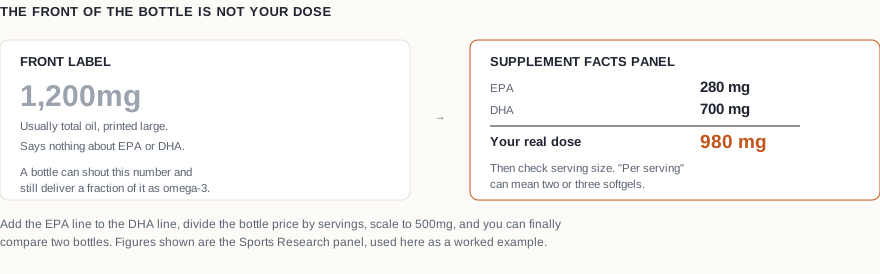
Ignore the headline milligrams, which usually mean total oil. Flip to the supplement facts, add the EPA line and the DHA line, and note the serving size in softgels. That combined number is your real dose. Divide the bottle price by the number of servings, then scale to 500mg, and you have cost per real dose, the only honest way to compare. We did this for every pick in our roundup.
2. Decide if you need EPA or just DHA
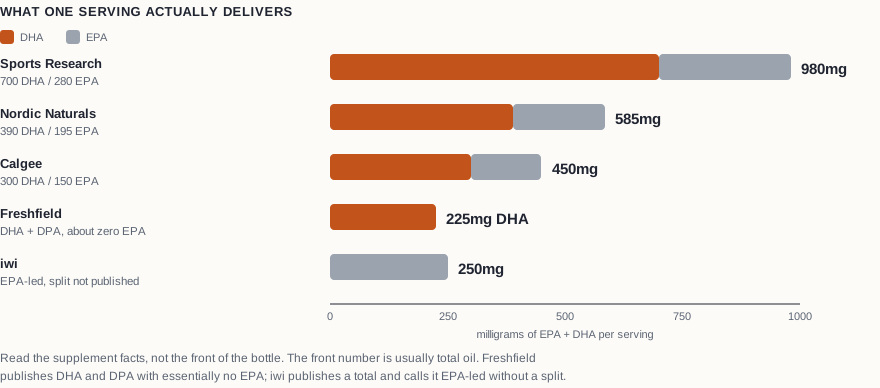
DHA is structural, for brain and eyes and pregnancy. EPA leans toward inflammation and heart signaling. Most algae oils are DHA-heavy. If you want both, check that the label lists real EPA, not a trace. Freshfield is DHA-only, Nordic Naturals and Sports Research carry usable EPA.
3. Check the testing
"Third-party tested" should mean something you can verify. The strongest brands name their lab or publish results, like Calgee with Eurofins. Look for heavy-metal testing in particular, since that is the contamination people switch away from fish oil to avoid.
4. Do not confuse cooking oil with supplements
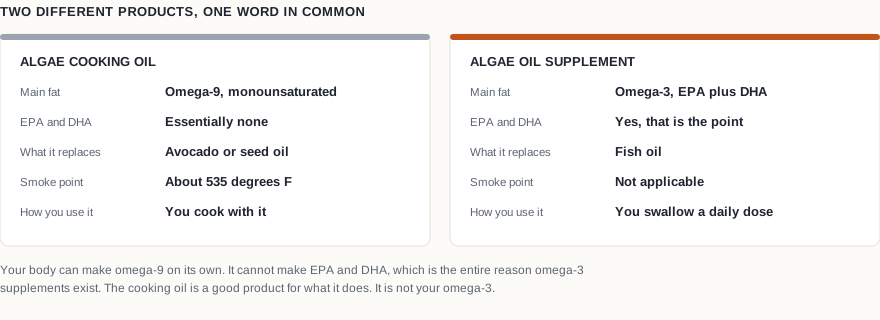
Algae cooking oil is omega-9, a cooking fat, not an omega-3 supplement. If you want EPA and DHA, you need the capsules. Full explanation in cooking oil vs supplements. If you want the cooking oil as well, the same label-reading habit applies there and we broke it down in the algae cooking oil buying guide: only two bottles in that category are pure algae oil, and they are the expensive ones.
Frequently asked questions
- Is algae oil as good as fish oil?
- For raising EPA and DHA in your blood, yes. A recent randomized controlled trial found microalgal oil non-inferior to fish oil, and older work found algae DHA bioequivalent to cooked salmon. Fish oil often has more EPA per capsule and costs less, but algae oil has no mercury and is vegan.
- How much should I take?
- General guidance is about 250 to 500mg combined EPA plus DHA daily for healthy adults. Read the label, add EPA and DHA, check the serving size. Ask your doctor about your own dose.
- Does algae oil have EPA or just DHA?
- Most are DHA-heavy, some DHA-only. Nordic Naturals and Sports Research carry meaningful EPA. Read the label if EPA matters to you.
- Is algae cooking oil the same as a supplement?
- No. Cooking oil is omega-9 with a high smoke point and almost no EPA or DHA. Supplements deliver the omega-3. They are not interchangeable.
- Why does algae oil cost more than fish oil?
- Growing algae in tanks costs more than catching fish, so it is pricier per milligram. The gap is shrinking. You pay extra for no mercury, no fishing, and no fishy burps.
Ready to choose? Head to the best algae oil roundup.