Algae Oil Dosing Guide: How Much EPA and DHA Do You Actually Need?

Dosing omega-3 is simpler than the supplement aisle makes it look, once you learn to ignore the big number on the front of the bottle. That number is usually total oil. What your body cares about is the EPA and DHA milligrams, which are printed smaller, in the supplement facts panel. Read those.
General intake targets
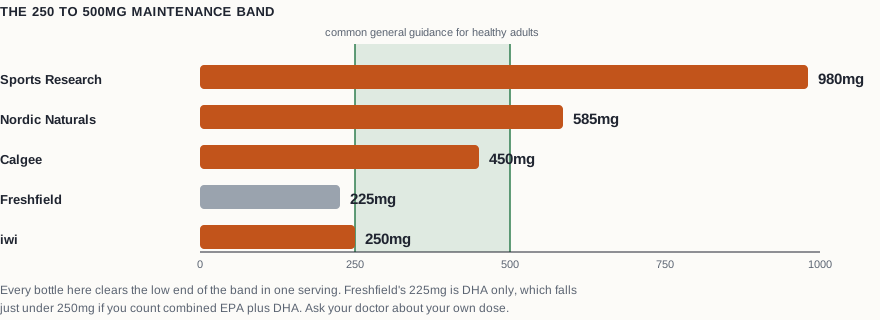
Major health bodies land in a similar range for healthy adults. Common general guidance is roughly 250 to 500mg of combined EPA plus DHA per day for maintenance. Many organizations recommend getting there through food, like two servings of fatty fish per week, but for vegans, vegetarians, and anyone who does not eat fish, an algae supplement is the direct route. These are population-level guidelines, not a prescription for you.
Maintenance (most adults) ~250 to 500 mg EPA+DHA daily
Heart or higher-intake goals Often higher, but get a doctor's guidance
Pregnancy / nursing See our pregnancy guide; DHA is the focus
On blood thinners Talk to your doctor first, omega-3 can add to the effect
How to read a label without getting fooled
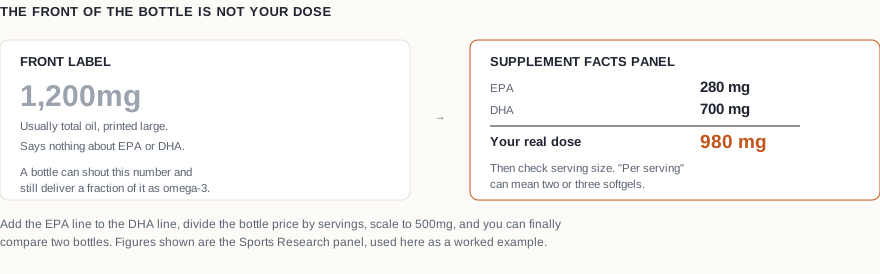
Flip the bottle to the supplement facts. Find the line for EPA and the line for DHA and add them. That combined number is your real dose per serving. Then check the serving size, because "per serving" might mean two or three softgels, not one. A bottle bragging "1,200mg" on the front might deliver only 400mg of actual omega-3 across two pills. Our whole ranking is built on this math, converted to cost per 500mg of EPA plus DHA.
DHA vs EPA, quickly
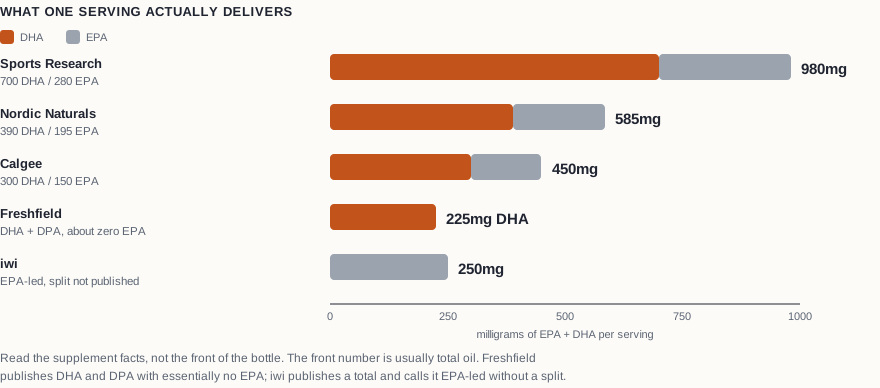
DHA is structural. Your brain, eyes, and nervous system are literally built from it, which is why it dominates pregnancy and cognitive guidance. EPA is more tied to inflammation and cardiovascular signaling. Most algae oils are DHA-heavy by nature. If you want meaningful EPA too, Nordic Naturals and Sports Research carry the most among the bottles we tested.
Timing and absorption
Take omega-3 with a meal that has some fat in it. These are fat-soluble, so a little dietary fat helps absorption and cuts the odds of any aftertaste. Consistency beats timing, the best dose is the one you actually take every day, which is part of why easy-to-swallow softgels like Calgee's matter for some people.
Simple plan: pick a bottle that hits at least 250 to 500mg of EPA plus DHA in a serving you will take daily, take it with food, and confirm the numbers on the current label. Start with our best algae oil roundup.